
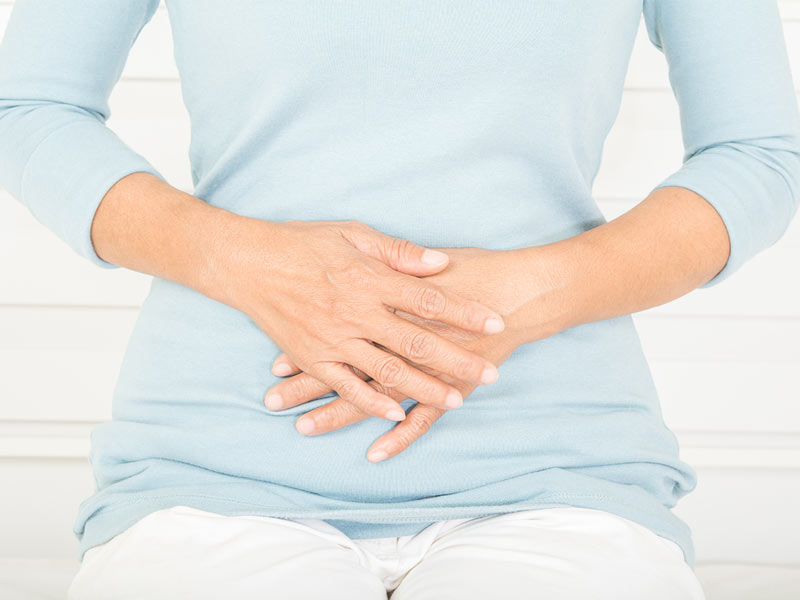
Hot flushes (or, as they say in America, hot flashes).
So why do we suddenly get a hot flush during peri and menopause? When we start to enter the menopause, our ovaries no longer produce the regular amounts of oestrogen. Our bodies would have used oestrogen in our reproductive years before the menopause. It would have sent a signal in our brain to trigger ovulation and regulate our body’s temperature – ready for implantation of the fertilized egg. Our brain suddenly does not know what is going on, due to the lack of oestrogen and, as it is not getting oestrogen signals anymore, it attempts to kick start the ovaries back into function by sending thermal surges through our body, that we call hot flushes and night sweats. These, at night-time, can wake us up and disrupt our sleep. But you can have them during the daytime too.
What can we do to reduce them? We can bring nutrients back into our daily diet to normalise our brain chemistry and hormones by adding phytoestrogens. Phytoestrogens are oestrogen compounds found in plants, and we need to add them back into our food intake. Phytoestrogens are not as potent as the oestrogen that our body can make, but it is enough to be seen as the natural alternative to hormone replacement therapy (HRT). There are two kinds of phytoestrogens that have been shown to be effective. One of these is isoflavones, derived from soy products and red clover, and the second is lignans found in flaxseed, known as flaxseed linseeds.
Isoflavones are great at keeping oestrogen circulating in our system. Combined with supplements and regular exercise, consuming isoflavones can help ease hot flushes and night sweats. Long term.
So how much do you need a day? You need to consume 100mg of isoflavones a day. You can find the richest sources in soy products, including soy milk, tofu, edamame beans, miso paste and soy flour. Then in lentils, chickpeas, mung beans, green and yellow vegetables, sunflower, pumpkin, and sesame seeds.
Their effects last only for hours, so you should spread your intake throughout the day. The most lignan-rich food is flaxseed, and it is recommended to eat 30mg per day, which is around two heaped tablespoons. You should see your hot flushes diminished by half in around six weeks, and their intensity lessened. Flaxseeds have a nutty flavour, and you can buy them in most supermarkets now and not have to buy from a health food shop. I add them to my breakfast and sprinkle them over my other food throughout the day, such as roasted vegetables, salads, soups etc.
Vitamin E is also good at reducing hot flushes and you can find vitamin E in avocados, spinach, eggs, tuna and herring, tomatoes, broccoli, and fortified cereals.
Practicing deep breathing for 20minutes a day can also help reduce hot flushes, and you can do this with an inhale of a count to 5 and 8-second hold count and a 5 second exhale count.
Finish on a plus point, too – an isoflavones-rich diet can also protect against osteoporosis, memory loss, and heart disease in the long term.
Download Meno Mojo’s Beat your meno muffin top naturally guide – with six steps to succeed and reclaim your wellbeing
© meno mojo | Sitemap | Privacy Policy | Cookie Policy | Terms & Conditions | Website by Design M
| Cookie | Duration | Description |
|---|---|---|
| cookielawinfo-checkbox-analytics | 11 months | This cookie is set by GDPR Cookie Consent plugin. The cookie is used to store the user consent for the cookies in the category "Analytics". |
| cookielawinfo-checkbox-functional | 11 months | The cookie is set by GDPR cookie consent to record the user consent for the cookies in the category "Functional". |
| cookielawinfo-checkbox-necessary | 11 months | This cookie is set by GDPR Cookie Consent plugin. The cookies is used to store the user consent for the cookies in the category "Necessary". |
| cookielawinfo-checkbox-others | 11 months | This cookie is set by GDPR Cookie Consent plugin. The cookie is used to store the user consent for the cookies in the category "Other. |
| cookielawinfo-checkbox-performance | 11 months | This cookie is set by GDPR Cookie Consent plugin. The cookie is used to store the user consent for the cookies in the category "Performance". |
| viewed_cookie_policy | 11 months | The cookie is set by the GDPR Cookie Consent plugin and is used to store whether or not user has consented to the use of cookies. It does not store any personal data. |